Iron Jaw Division
"shoot through" any obstacle
- Added: October 5, 2026

Steeped in a proud lineage of Citizen-Soldiers, the 32nd Infantry Division—affectionately and fearlessly known as the “Red Arrow” Division—earned the enduring moniker the “Iron Jaw Division” through sheer tenacity, unyielding grit, and legendary combat endurance on the battlefields of World War II.
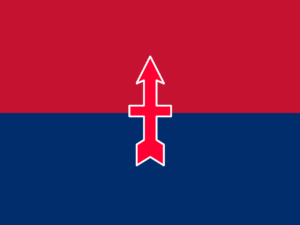
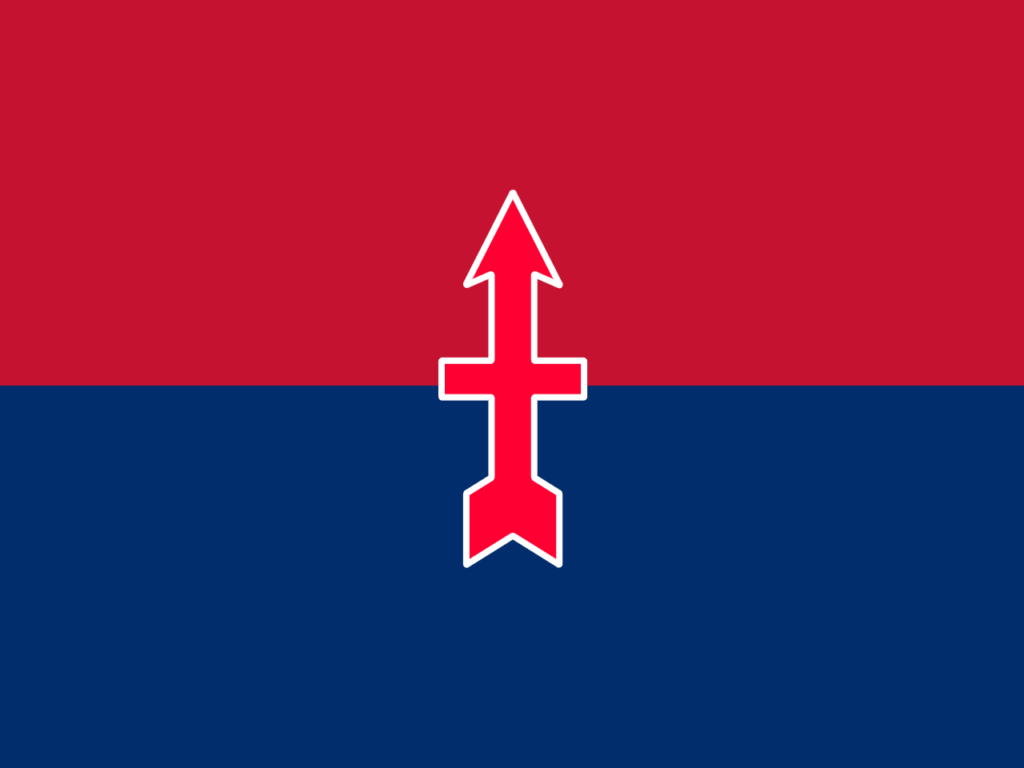
Formed originally in 1917 from the National Guard units of Wisconsin and Michigan (symbolized by the red arrow piercing a line, signifying the division’s ability to “shoot through” any obstacle), the unit was already battle-tested from the trenches of France in World War I. However, it was in the suffocating jungles and brutal island campaigns of the Pacific theater a generation later that the division truly forged its iron-willed reputation.
Facing a fanatical enemy, treacherous terrain, and relentless tropical diseases, the men of the 32nd earned the “Iron Jaw” title for their stubborn refusal to yield, no matter how desperate the situation. They spearheaded the grueling Buna-Gona campaign in New Guinea—a pivotal turning point in the Pacific war where American forces broke the myth of Japanese invincibility. Later, in grueling engagements across the Philippines, including the brutal fighting on Luzon and Leyte, the division lived up to its fierce nickname. Operating far longer than standard rotations without relief, enduring starvation, trench foot, and relentless enemy banzai charges, the Red Arrow soldiers ground forward inch by bloody inch. Their unbreakable jaw-like grip on heavily fortified enemy positions exemplified a legendary resilience, cementing the Iron Jaw Division as one of the most decorated and fiercely respected combat formations in United States military history.
Formed in the crucible of the First World War, the U.S. Army’s 32nd Infantry Division earned a fearsome and enduring moniker: the “Iron Jaw Division.” Composed primarily of National Guard units from Wisconsin and Michigan, the division brought together the rugged lumberjacks, copper miners, factory workers, and farmers of the Upper Midwest. Known initially as “Les Terribles” by the French—who recognized their ferocious tenacity in combat—the 32nd lived up to every syllable of its reputation. Activated in the late summer of 1917, the division trained at Camp MacArthur in Texas before deploying to the Western Front in early 1918.
The Iron Jaw Division’s combat record is a masterclass in relentless offensive warfare and tactical breakthrough. They entered the line in Alsace in May 1918, but their defining moments came during the grueling Allied counteroffensives later that year. In July, they spearheaded the assault during the Second Battle of the Marne, capturing the critical heights of Ronchères. Their most monumental test, however, came in October during the Meuse-Argonne Offensive, where they smashed through the formidable Kriemhilde Stellung—a heavily fortified German defensive line that other allied divisions had failed to crack. Operating under fierce artillery fire and heavily entrenched enemy resistance, the men from Wisconsin and Michigan refused to yield an inch once gained, cementing the division’s legacy of unbreakable grit. When the armistice was signed in November 1918, the 32nd had fought in some of the war’s most punishing campaigns, suffering over 14,000 casualties while never yielding a yard of ground to the enemy.